


28 August 2026
Save Cork’s Kilmainham!
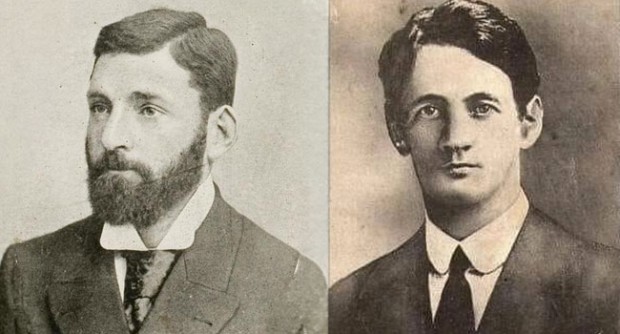
• Thomas Kent and Terence MacSwiney
The Easter Rising in 1916 was a pivotal event in Ireland’s history. It is the story that we grew up hearing, those who died that Easter time are the heroes that stilled our childhood play.
While the majority of the action, and subsequent executions, took place in Dublin, Cork has always claimed its place as a 1916 execution site – the only one on the island of Ireland outside of Dublin.
Thomas Kent was executed at the Cork Detention Barracks on 9th May 1916. He was buried in a shallow grave there for 99 years.
When we heard that the government proposed to demolish the building he spent his last night in and to build on the yard he was executed and buried in, we knew we had to put up a fight. Our republican history is our legacy, it is the shadow in which we will build a United Ireland. So, we began a campaign.
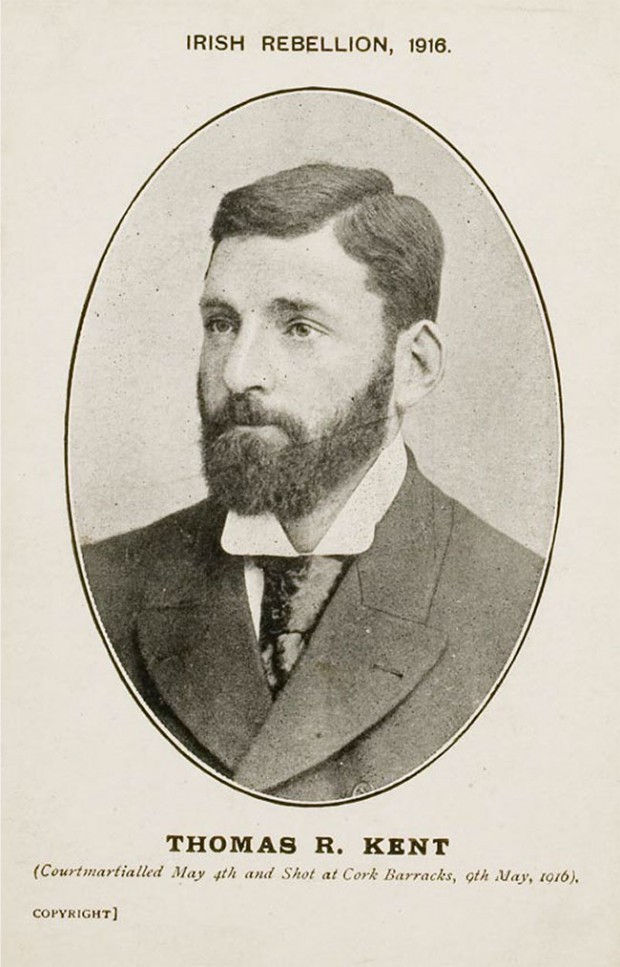
• Thomas Kent
We also began researching. That research has taken us to the four corners of the world, to every province and many counties in Ireland.
Our research has brought together the story of a building under threat that once stood as a site of republican sacrifice. The Cork Detention Barracks was built at the height of An Gorta Mór. As civil unrest grew so too did the occupying British military presence. They were needed to control a starving nation. Increases in their numbers meant an increased need for military discipline and the Detention Barracks was built to accompany the then Victoria Barracks as a military prison.
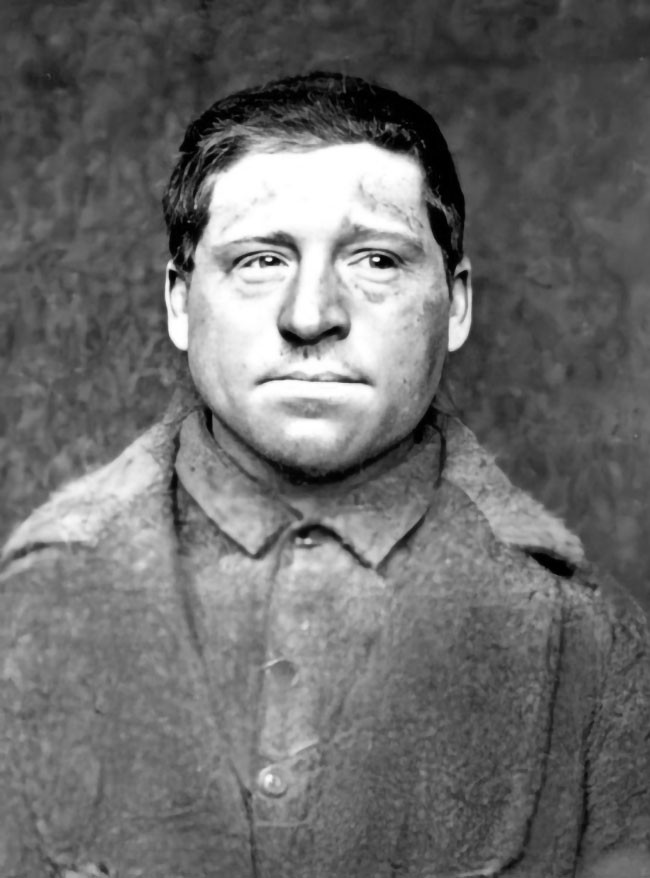
• Thomas Darragh
Thomas Darragh was the first man we could find sentenced to death in the building. He was a British soldier who had signed up to John Devoy’s Fenian plot. His sentence was commuted and he left from Cork’s Detention Barracks on a journey that would ultimately see him escape on the Catalpa 150 years ago and gain freedom in America.
Thomas Daragh wasn’t the only former prisoner to find refuge in America. The informer Cruxy Connors was held in the Detention Barracks. The IRA, wanting revenge for the deaths of the Ballycannon Boys, devised a plot to kill him. A woman dressed as his mother arrived at the prison with a dinner laced with ‘enough strychnine poison a regiment’. His own mother arrived 20 minutes later and the plot was discovered. Connors ended up in America, followed by the IRA to Central Park where he escaped another assassination attempt and ultimately lived out his days in Canada.
These are the colourful stories that caught our attention but it was the story of Cork’s martyred Ard Mhéara, Terence MacSwiney, that convinced us this was more than a building. This is a landmark and deserves to be preserved.
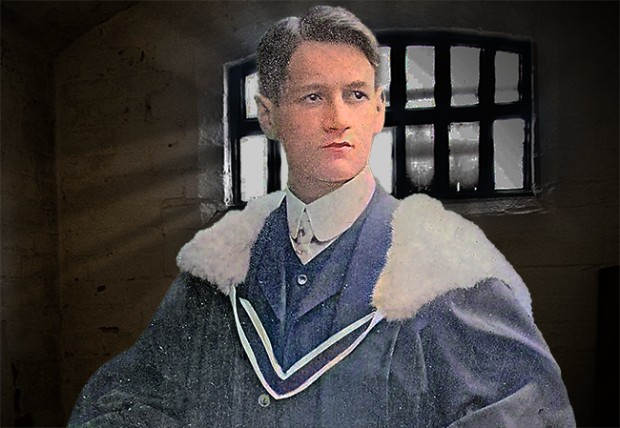
• Terence MacSwiney (below) his funeral in Cork
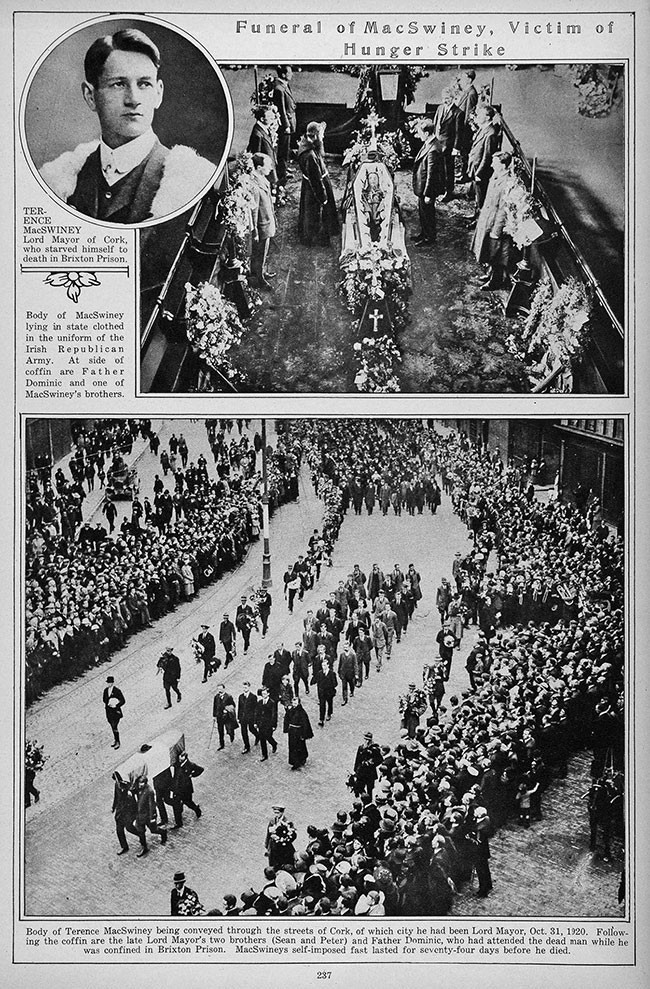
Terence MacSwiney was arrested in Cork City Hall and immediately began to refuse food. He was brought to the Detention Barracks and processed. He was wearing the chain of the Ard Mhéara of Cork city – a chain that had been passed to him following the assassination by occupying forces of his predecessor Tomás MacCurtain just five months earlier. The processing officer asked for the chain and MacSwiney told him he would ‘rather die than part with it’. He was left with the chain.
The first night of a 74 day Hunger Strike that would see him die in Brixton Prison was spent with the chain of Cork city in a cell in the Detention Barracks. He had decided his own sentence. He would be free, dead or alive.
16 executions in total would take place at the site. Vigils would be held outside while gunshots rang through the Glen. Last letters were written inside the walls.
Padraig Ó Suilleabháin, of the 4th Battalion in Cork, wrote to his mother and he told her to ‘remember those who died for Ireland never die’. It is our job to keep truth to his word, to keep the memory of Padraig and his comrades alive.
There is a plan to demolish this site and with it memories of our struggle for freedom and the men who laid down their lives for Ireland. We are asking you to join us in our campaign to save this building and to honour their sacrifice.
Follow us on Facebook
An Phoblacht on Twitter
An Phoblacht Podcast

Uncomfortable Conversations
An initiative for dialogue
for reconciliation
— — — — — — —
Contributions from key figures in the churches, academia and wider civic society as well as senior republican figures