


14 May 2026
“We wouldn’t be where we are without that struggle”
Seán Lynch reflects on Séamus McElwain, the conflict, and the long road to change
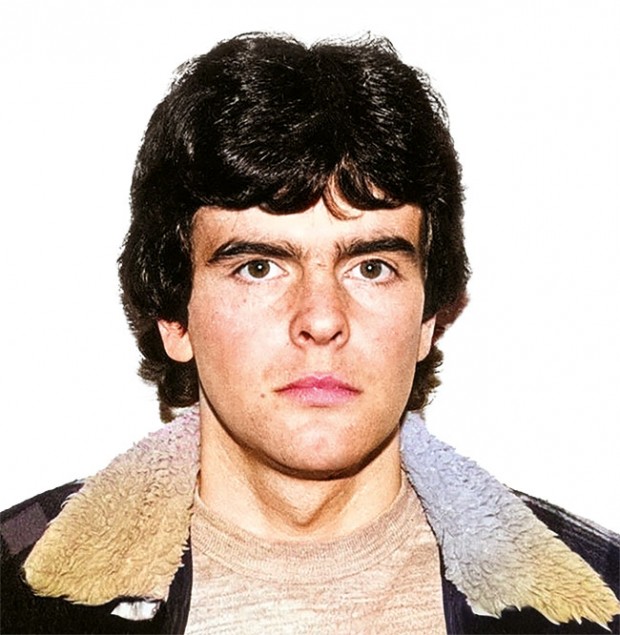
• IRA Volunteer Séamus McElwain

An Phoblacht: Seán, as we mark 40 years since the death of Séamus McElwain, who was the man you knew - beyond the headlines?
Seán Lynch: First and foremost, he was a lovely fella. Really unassuming. Very intelligent, very reflective - but if you met him yourself, you’d just say he was a decent, warm human being.
He made friends easily. He had that kind of personality. But alongside that, as a republican activist and IRA Volunteer, he was very brave and deeply committed.
That was shown by the very fact that when he went to prison, escaped, he came straight back into the struggle without hesitation.
He had a good head on him. He was a planner. Before prison, he wanted to be active all the time. But after the escape, he became more reflective.
He understood something important - that we wouldn’t win the war by military means alone.
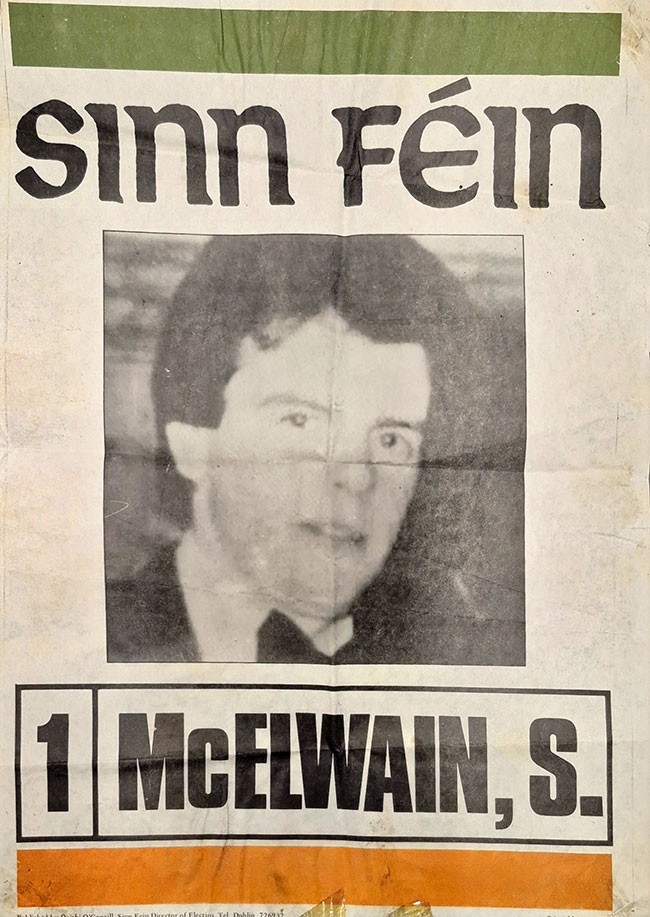
He said clearly we needed a political organisation, and he identified Sinn Féin as that vehicle. He encouraged people into that work where he felt it suited them.
AP: What stands out most to you now when you look back?
SL: His leadership. Even people who had been involved longer accepted it. That came from his personality - he could warm to people, he listened, and he understood that everyone had different strengths.
He was very good at analysing that and placing people where they could contribute best.
He valued everybody - especially the people who supported volunteers quietly, the people who provided safe houses and support. He always said we wouldn’t be where we are without them.
And he believed in equality. Women were equal participants - that was something he insisted on in practice, not just in words.
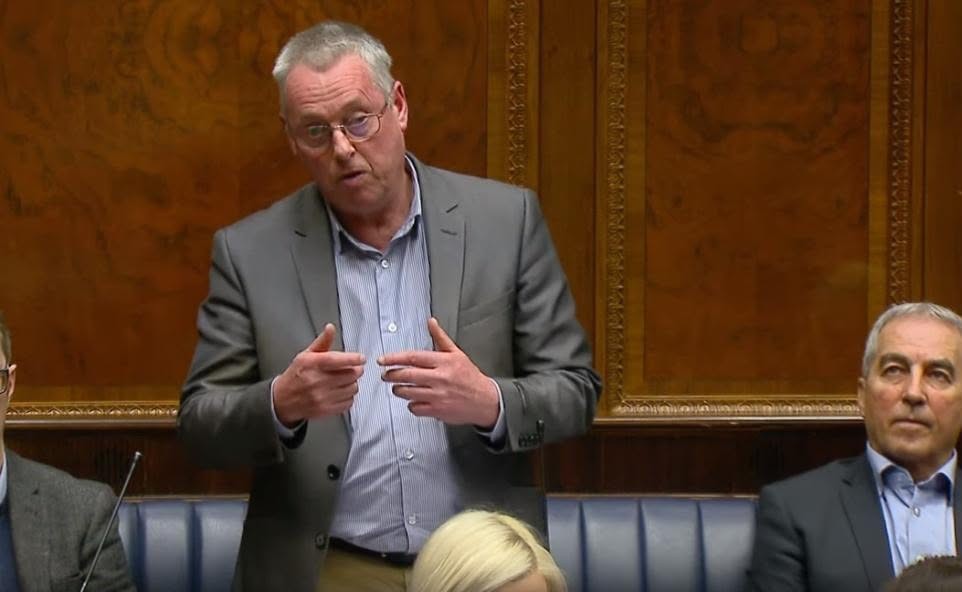
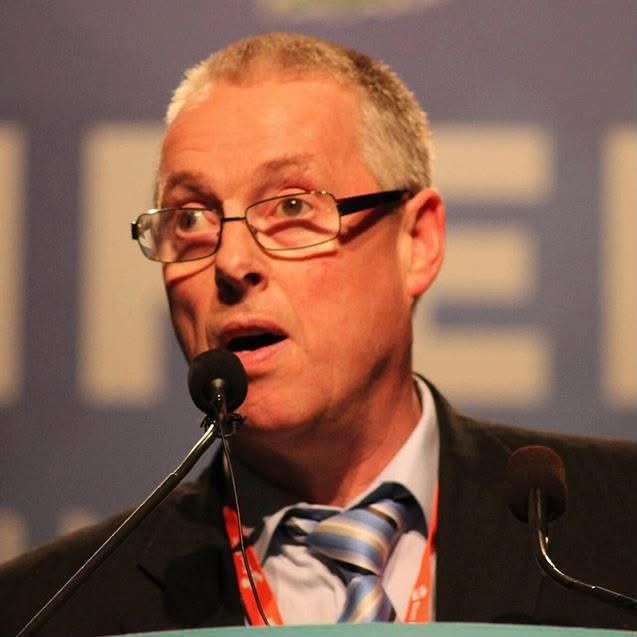
• Seán Lynch
AP: Séamus became involved at a very young age. What shaped that?
SL: He came from a strong republican family. His father had been involved, and there were activists coming through the house. But beyond that, he made a conscious decision.
A lot of volunteers were part-time - they had jobs, responsibilities. Séamus decided he was going full-time - 24 hours a day, seven days a week. That set him apart.
He could have gone to America. Nobody would have thought any less of him. But he refused. He said no one would accuse him of running away. That told you everything about his focus and his commitment.
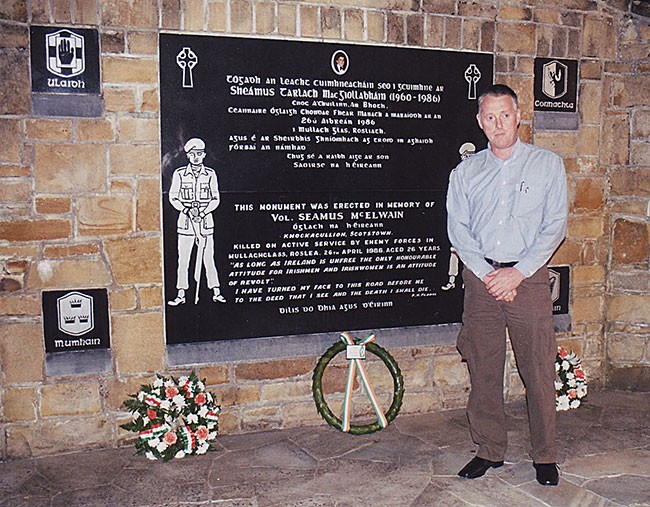
• Seán at the Volunteer Séamus McElwain Memorial in County Monaghan
AP: For younger readers, how would you describe South Fermanagh in the early 1980s?
SL: It was one of the most active areas of the conflict - an epicentre of republican activity. Because of that, it was heavily militarised. The British Army were everywhere - checkpoints, patrols, house raids, arrests.
The UDR were also active, and there was a clear sectarian element in how they treated nationalists.
It was constant pressure. That was the reality people lived with.
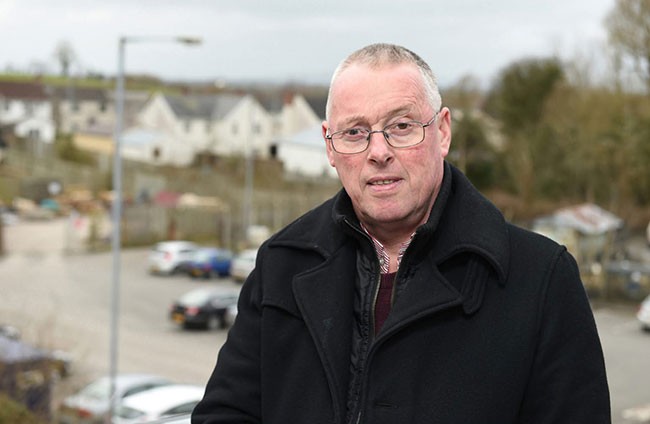
AP: You were with Séamus on the morning of the ambush. What do you remember?
SL: When you were an IRA volunteer, every time you went out you knew something could happen. If you let that stop you, you wouldn’t leave the house.
I hadn’t seen Séamus for a couple of weeks. He had been away, so we were catching up as we went. It was early morning, around this time of year, getting bright early.
The SAS were already in position. They had watched us for a long distance with night sights and allowed us to walk to within about 15 metres. There was a silence just before it happened. I remember saying, “I think everything’s okay.”
Then they opened up with automatic fire. I was hit crossing a ditch. I told myself, “Get out of here.” They switched fire onto Séamus and I got away.
I was badly wounded but kept moving, telling myself not to fall. Then the flares went up. They rose with parachutes and drifted down - lighting the countryside like pure daylight. You didn’t want to be seen in that.
I threw myself into a whitethorn hedge. When the flare went out, I tried to move - but I couldn’t. After a short time, I could hear voices.
They had reached Séamus. He had been badly wounded - but he was alive. I could hear them questioning him. Then, after that, I heard three single shots. I knew exactly what had happened.
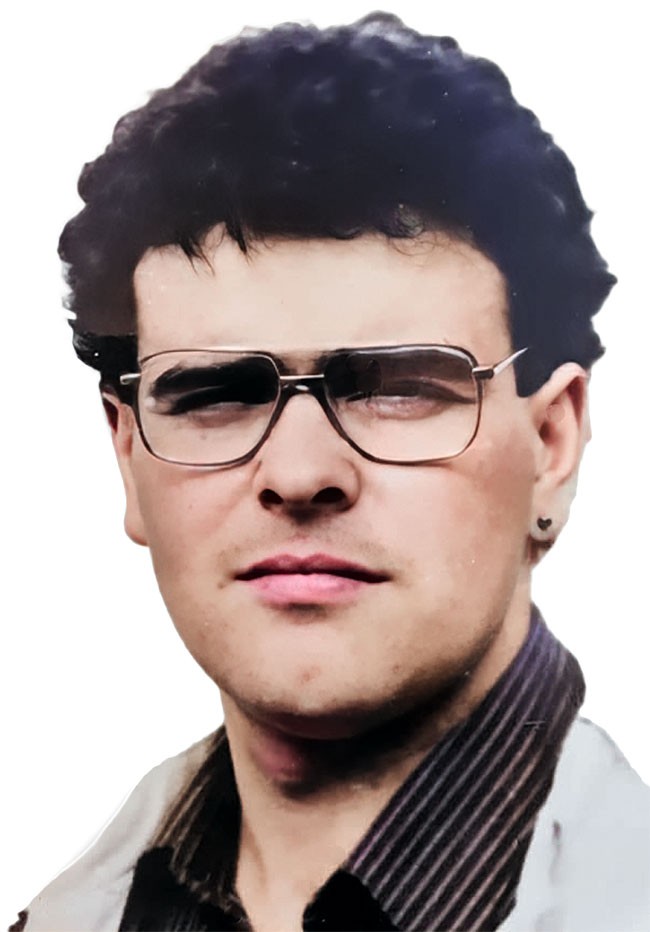
• Volunteer Séamus McElwain
AN: What happened then?
SL: At that point, I believed I was going to be next. I remember thinking it might have been better to have been killed in the first burst than lying there waiting. But when they moved away, something changed in me.
I decided I was going to survive - and tell the truth about what had happened in that field.
I lay there for over two hours. At one point a vehicle passed within a metre of me and didn’t see me.
The only thing I could hear was the dawn chorus. The birds. That stayed with me for years afterwards. Eventually, a dog unit found me. An RUC man put his boot on my chest and pointed a rifle at my face.
Then a British Army medical officer intervened. He challenged that and treated me properly, demanded a helicopter, and ultimately saved my life. I wanted to survive now to tell the truth.
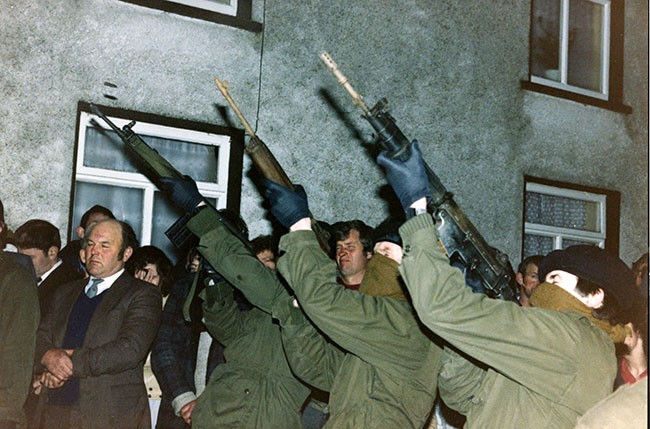
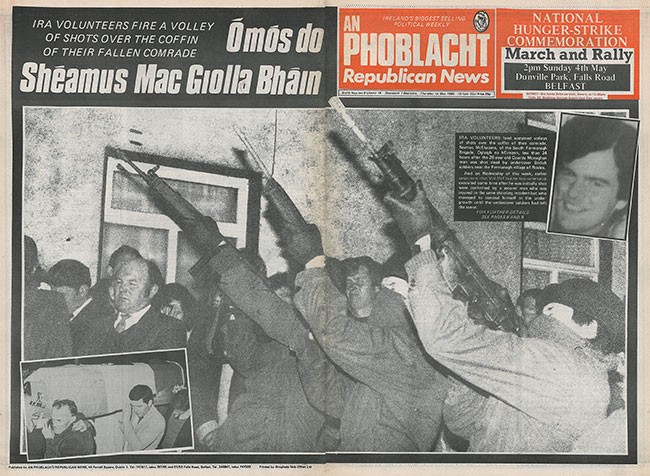
• IRA firing a salute over the coffin of Volunteer Séamus McElwain
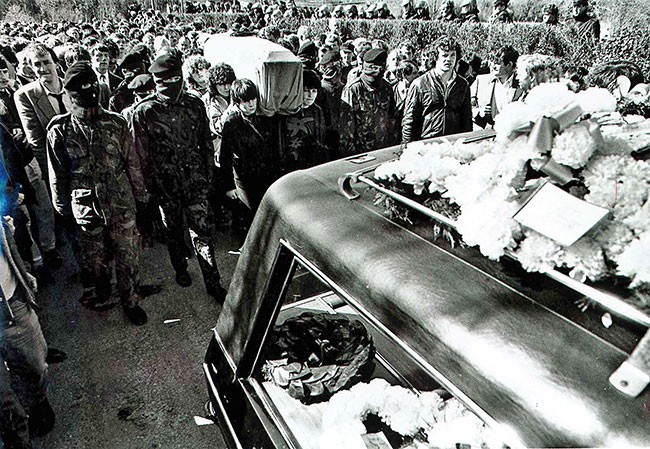
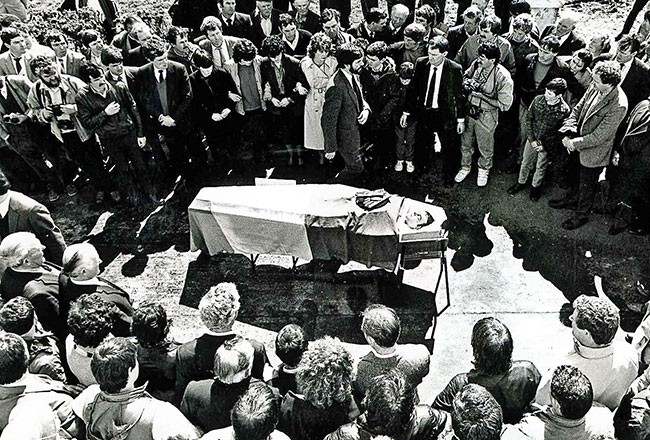
• The funeral of Volunteer Séamus McElwain
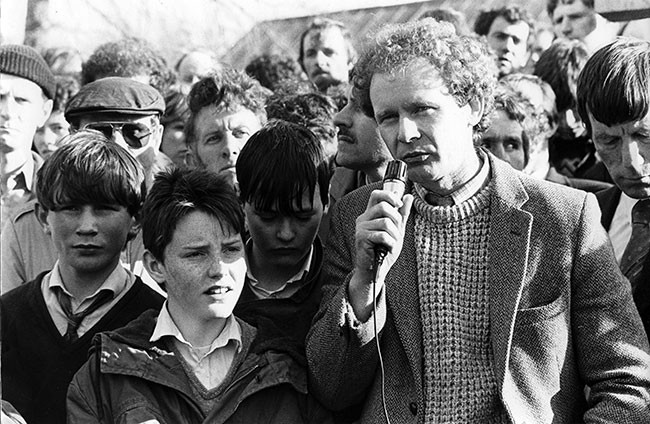
• Martin McGuinness gave the funeral oration
AP: The inquest later found that Séamus had been unlawfully killed. What did that verdict mean?
SL: Everything. I went and told exactly what happened - that there was no warning, that Séamus was alive, that he was being questioned, and then shot.
The jury returned a verdict of unlawful killing. That vindicated the truth - but no one has ever been held accountable.
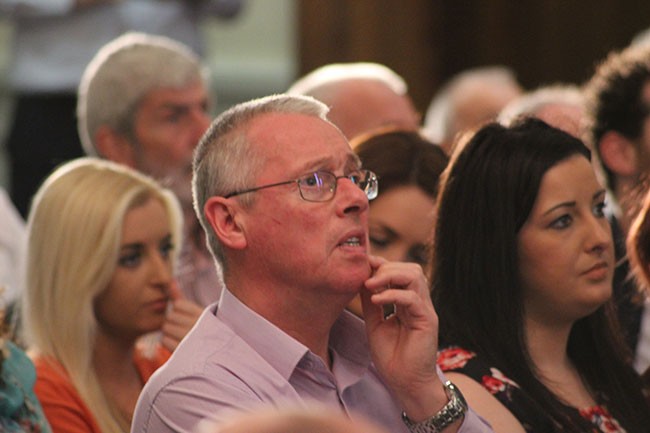
AP: After your release, you went on to play a significant role in political life. How much did your experiences - including what happened to Séamus - shape that path?
SL: The experience of the struggle, and especially the lessons learned in Long Kesh, shaped everything that came after.
People like Séamus gave their lives. So whatever the rest of us could do, we had to commit ourselves to that - to carrying that work forward.
A lot of us were reluctant politicians. We were revolutionaries. I didn’t even like the term “politician” at the time. But we understood that this was the way forward.
The key thing was building political strength - not for its own sake, but to bring about real change. That was one of the central strategic objectives.
And the discipline that came out of the prison - the organisation, the focus - that played a huge role in building Sinn Féin in the years that followed.
AP: You have spoken about being part of the leadership of republican prisoners in Long Kesh at the time of the 1994 ceasefire. What do you remember about that moment?
SL: We had been in prison a long time - many of us over ten years - and we had reflected deeply on the struggle.
We knew we weren’t going to defeat the British militarily, but equally they weren’t going to defeat the IRA. So there was already a sense that things were moving.
There had been short ceasefires before, rumours, discussions - so when this came, it didn’t come out of the blue.
On the 27th of August, myself and Paddy McCotter met two senior Sinn Féin figures. They briefed us - not in full detail, because negotiations had to be tight - but they gave us the broad outline: the political context, the international dimension, where things were heading. Our job then was to bring that back to the prisoners.
We went around all the republican wings and briefed the men. Nobody fell off their seat. People understood. By that stage, we had discussed every aspect of politics over the years - we were an army, but we were also very political.
When the ceasefire was announced on the 31st of August, there was a real sense that this was significant. People went quiet. Very reflective.
Everyone was thinking about those who had been killed - there wasn’t a man there who hadn’t lost someone in the conflict. Volunteers, friends, family.
So, there was that sense of reflection - but also a recognition that this could save lives and open a new phase.
I remember sitting with Danny Morrison afterwards, and we were talking about where things could go. He said if we got into politics properly, we could surpass the SDLP.
At that time, that sounded almost unbelievable. But it showed the thinking - that we were looking forward, to what could be built.
AP: How should Séamus McElwain be remembered?
SL: As a young man who gave his life for Irish freedom. There is no greater thing.
He stands alongside those who came before him - people like Pádraig Pearse, James Connolly, Bobby Sands - and all those who gave everything in the struggle. That’s where he belongs.
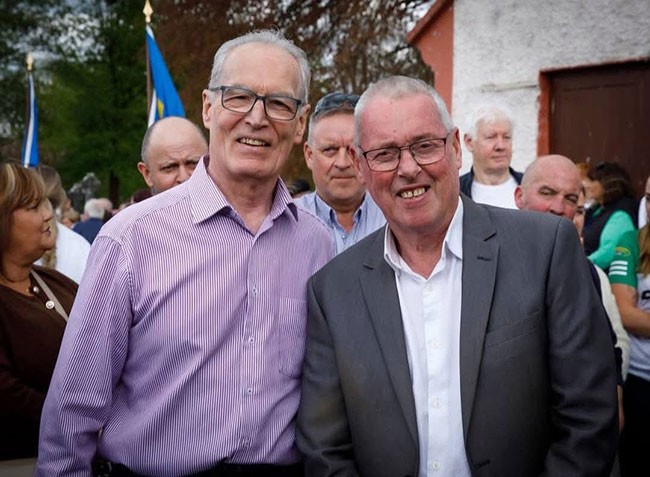
• Gerry Kelly with Seán Lynch at Volunteer Séamus McElwain commemoration on the 40th anniversary of his death last month
AP: What should younger generations take from this history?
SL: They need to understand where we came from - the conditions, the sacrifices. But they also need to build the future.
There’s a new generation coming through - confident, politically aware, rooted in Irish culture and language. We are closer than ever to achieving Irish unity.
And when that happens, it will be built on the efforts and sacrifices of people like Séamus McElwain. That’s why we remember.
Follow us on Facebook
An Phoblacht on Twitter
An Phoblacht Podcast

Uncomfortable Conversations
An initiative for dialogue
for reconciliation
— — — — — — —
Contributions from key figures in the churches, academia and wider civic society as well as senior republican figures