


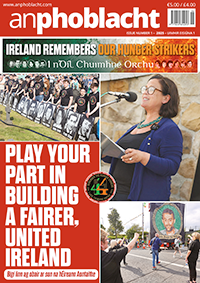
1 April 2026
Attempts to criminalise Republicanism fail again
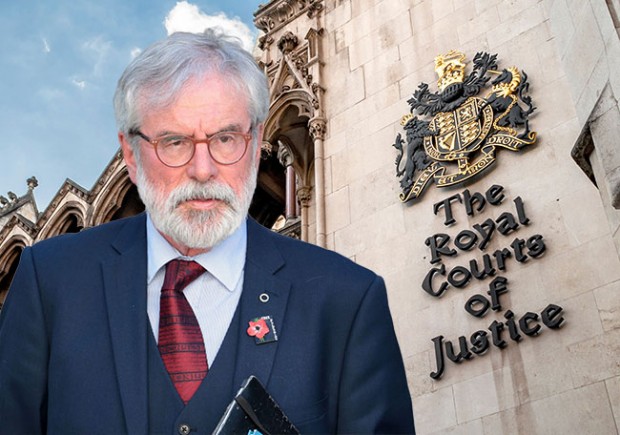

The recent London court case against Gerry Adams must be seen against the backdrop of a long effort to delegitimise the Irish republican struggle - an effort that, with the collapse of the case, has failed again.
From the 1970s onwards, the British state tried to present what was happening in the north of Ireland not as a political conflict, but as a problem of crime and ‘terrorism’. If they could win that argument, they could avoid dealing with the underlying political issues.
That type of thinking shaped the prison regime in the north, the portrayal of republicans and wider narrative around the conflict that was pushed by Britain internationally. But it didn’t work.
The Failure of Criminalisation
The prisons in the north became a key battlefield aimed at breaking the back of the IRA.
Criminalisation aimed to strip republican prisoners of political status and label them as ordinary criminals. But the prisoners resisted fiercely.
The blanket protest, the no-wash protest and ultimately the Hunger Strikes of 1981 laid bare the truth. Ten Irishmen died rather than accept the label of criminal.
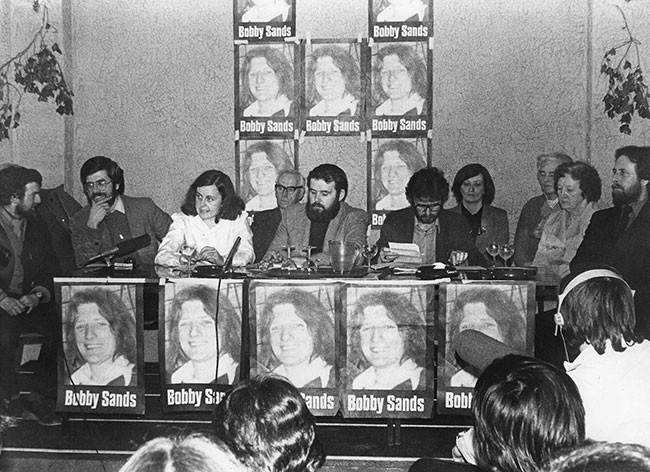
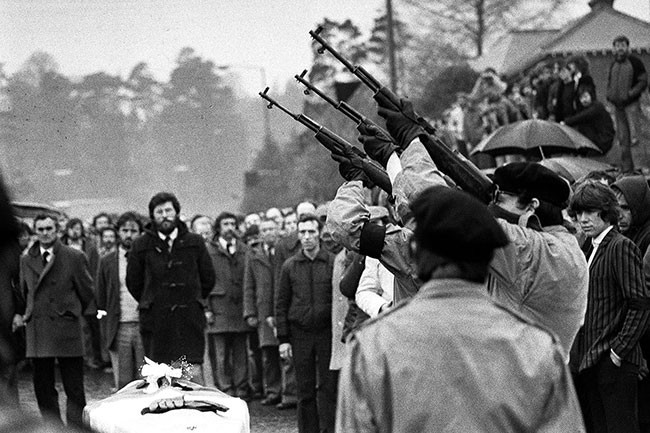
And despite all the effort to frame it otherwise, people saw clearly what was happening. The prison struggle resulted in a strengthened republican resistance.
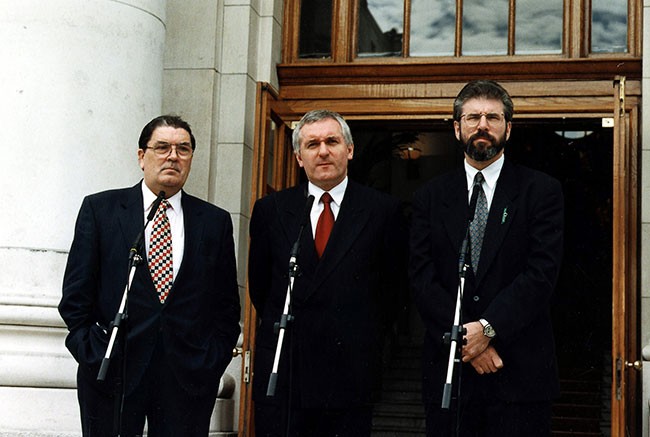
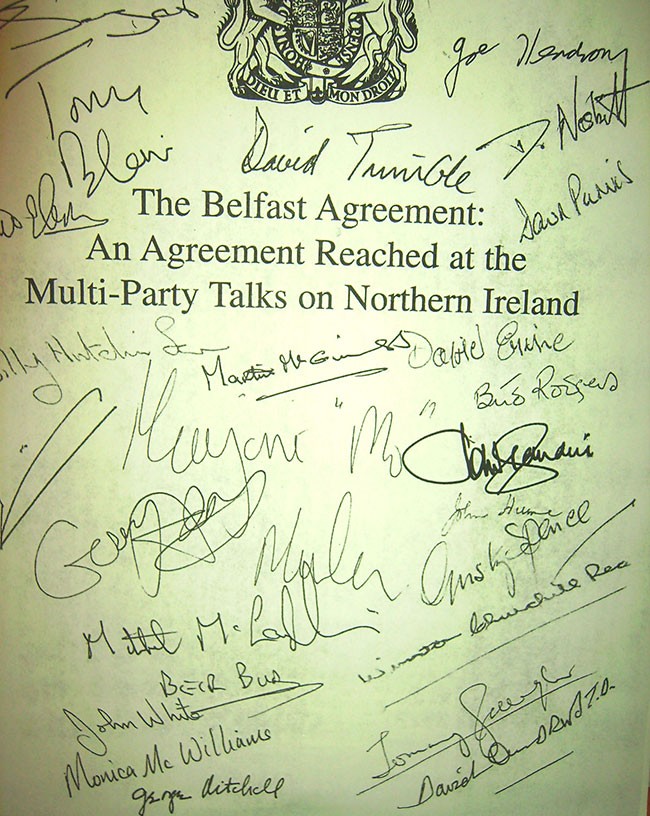
The Peace Process that followed years later reflected a reluctant recognition that the conflict was indeed political and legitimate. The process required recognition of the republican constituency and mandate as well as engagement and negotiation. The Good Friday Agreement set out a peaceful, democratic way forward and Gerry Adams was central to it.
Adams helped build dialogue. He negotiated with British Prime Ministers, Irish Taoisigh and US Presidents. He brought a movement with him through that process. And he always asserted the legitimacy of the struggle.
Sinn Féin - a Central Force in Irish politics
At the same time, Sinn Féin was built through organisation, elections and hard political work.
It grew in the north until it became the largest party and expanded in the south until it became a central force in Irish politics and a catalyst for social, economic and constitutional change.
That did not happen by accident. It was built - patiently, deliberately - with Gerry Adams at the heart of it.
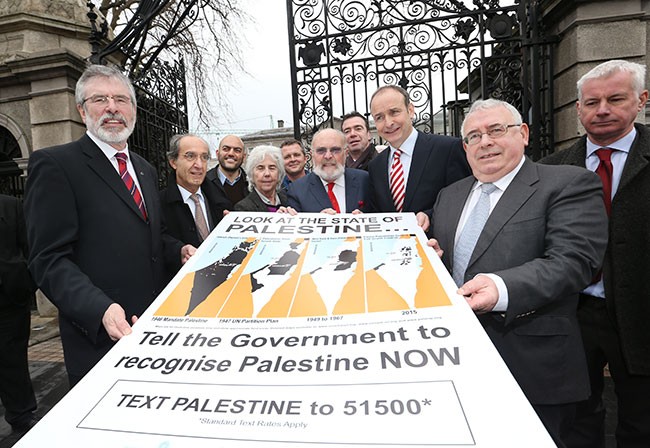
And it was built with and by people. There is a reason Gerry Adams has always had strong support. People know him. They trust him. He has always stood with them.
There is a warmth towards him - wherever in Ireland he goes - and that comes from years of connection and presence. That kind of support cannot be undone by British court cases or lurid newspaper headlines.
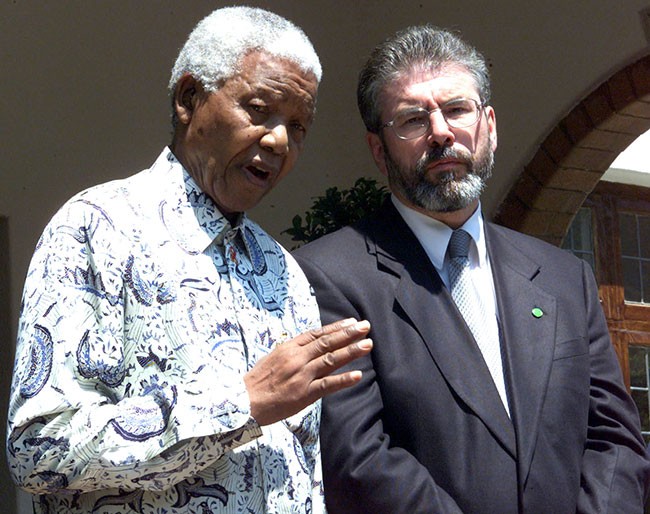
And it’s not just in Ireland that Gerry Adams is respected and admired - among oppressed and freedom loving peoples around the world he is a symbol of resistance, defiance, courage and justice. He is known and highly regarded from South Africa to Palestine and Cuba.
The Same Old Story
And yet, what we saw in recent weeks amounted to yet another attempt to revisit and rewrite the past. Another effort to frame the struggle in criminal terms. Another attempt to put republican leadership back on trial.
It is the same argument that failed in 1981. The same argument that was left behind by the Peace Process. And once again, it has failed.
Adams was clear in his response. He said the case “should never have been brought”. He reiterated his sympathy for the claimants and said he felt they were badly advised. He rejected the allegations and restated what has always been his position - that the republican cause is legitimate, and that the Irish people have the right to freedom and self-determination.
He pointed again to the Good Friday Agreement as the pathway forward. That is where his focus remains.
This was not just about one case. It was about a certain mindset that has never fully gone away - the belief that the conflict can still be explained, and controlled, through the language of illegitimacy or criminality.
But history has moved on. The attempt to criminalise the Irish republican struggle failed in the prisons. It failed in politics. And it is failing again now.
The Most Effective Republican Leader
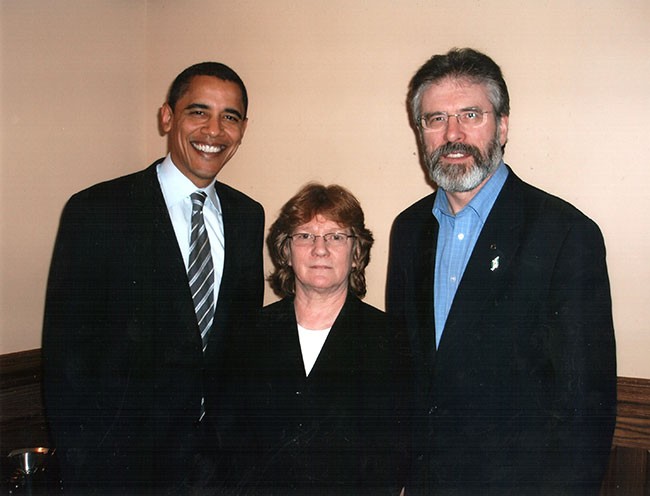
Gerry Adams was targeted because he is the most effective republican leader in modern Irish history. Through war and peace he has been steadfast and consistent. He has always stood with those being oppressed. He has always retained the confidence of the vast majority of Irish republicans.
The British have tried every tactic to break Gerry Adams. He was interned in the 1970s, the target of assassination attempts - he was shot several times in one attempt in 1984 - his voice was censored, and he has been constantly demonised by the political establishments in both Britain and Ireland.
Gerry Adams helped to end the armed conflict. He was also central to building a political movement that now stands at the centre of Irish life. He brought republicanism out of isolation and into the mainstream. And he did all of that without conceding the core point - that the struggle he came from was political, was legitimate and could succeed.
That is why the attacks never stopped. But it is also why they have never worked. Because in the end, the strategies imposed from above - through prisons, through broadcasting bans, through assassination campaigns and repression - can only go so far.
They cannot override lived experience. They cannot erase political reality. And they cannot break a struggle that has already proven it can adapt, grow, and endure.
This was not just the collapse of one court case, but the collapse - once again - of the idea that Irish republicanism can be written off, or written out, on British terms.
Follow us on Facebook
An Phoblacht on Twitter
An Phoblacht Podcast

Uncomfortable Conversations

An initiative for dialogue
for reconciliation
— — — — — — —
Contributions from key figures in the churches, academia and wider civic society as well as senior republican figures