


6 January 2026
Seán South – The idealism of struggle and sacrifice
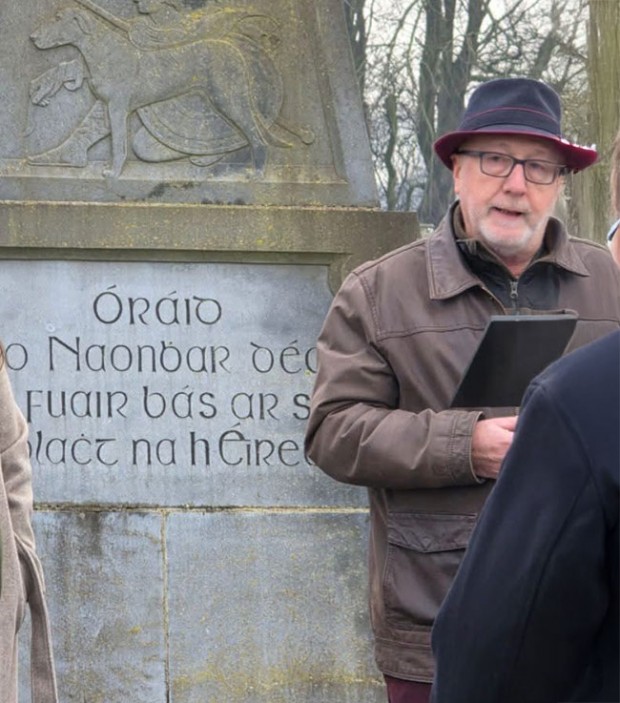
• Eoghan Mac Cormaic speaking at the 2026 Seán South commemoration

Is mór an onóir agus pribhléid domh bheith anseo inniu, agus tá mé buíoch don choiste as an cuireadh labhairt ag an ócáid chomórtha 69 bliain de bhás Sheán Sabhat agus Feargal Ó hAnluain, óglaigh de chuid an IRA a fuair bás ar seirbhís gníomhach Lá Caille 1957.
We gather here today as Republicans have gathered for many many years to mark to deaths of two selfless and courageous Volunteers in the IRA who died on active service 69 years ago on Thursday past.
We do so knowing that Seán Sabhat and Feargal Ó hAnluain were part of the great tradition of struggle and of generation after generation who sought to end the partition of our country, imposed by Britain but often propped up by lacky governments in Ireland.
The very idealistic nature of the 1950s campaign, Operation Harvest came at a time when dozens of prisoners were already locked up in Crumlin Road prison in Belfast, some who had been arrested for arms raids in the early 1950s, some arrested and interned because of their republican history from the 1940s.
The generation of 1950s Republican was under no illusion of the task they faced in re-infusing confidence and energy into the campaign. In both the north and the south hundreds of republicans had been interned and served lengthy sentences under the toughest of regimes in prisons like the Curragh, Portlaoise, Arbour Hill, Mountjoy, Derry, Armagh, Crumlin Road and on the prison ship Al Rawdah and in English prisons.
Barnes and McCormick were executed in Winston Green prison, Birmingham in 1940. Tony Darcy, Jack Mc Neela died on hunger strike that same year while Paddy McGrath and Tom Harte were executed in Mountjoy Jail. To their names would be added Richard Goss and George Plant, while Tom Williams was executed by the Unionist government in Crumlin Road Gaol. Charlie Kerins was hanged in Mountjoy and Seán McCaughey died on Hunger Strike in Portlaoise Prison in 1946.
To resume and to revitalise a republican campaign less than ten years after the last of the Forties prisoners were released was no easy task and perhaps one of the most necessary elements of such a re-vitalisation was idealism.
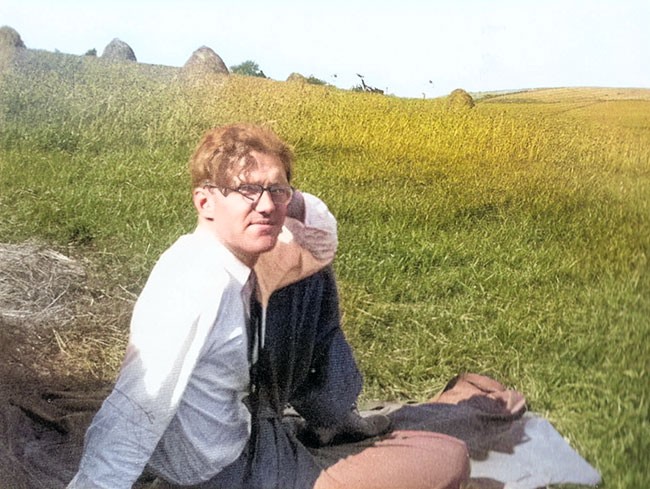
• Seán Sabhat
It was the idealism of those who believed the words of Pearse and Connolly and Mellows; it was the idealism of those who understood that struggle meant sacrifice and suffering; it was the idealism that - particularly in Seán Sabhat’s definition of Irish republicanism - combined political freedom with cultural freedom, and with the reinstatement of the Irish language as the national language; and it was the idealism of taking the decision to join a 1950s flying column, the Pearse Column, of the IRA and leave his home and family and life behind to take part in a military campaign along the imposed border across our country.
Historians tell us that militarily the 1950s campaign was not successful and yet the idealism which guided those young volunteers who demolished RUC barracks, and who disrupted trains lines, power stations and radio transmitters, who raided British Army barracks for weapons and who managed to effect escapes from prisons north and south of the border, that idealism filtered out and spread among the communities in which they sheltered and fought.
It was the idealism that led to the election and indeed re-election of Phil Clarke and Tom Mitchel, two prisoners in Crumlin Road Gaol to the Stormont parliament, or the election of John Joe McGirl and Ruairí Ó Brádaigh, two prisoners to Leinster House.
Remember too that John Joe Rice and Éighneachán Ó hAnnluain were also elected as Sinn Féin TD’s at that 1957 election, Éighneachán being the brother of the other Volunteer we remember here today, Feargal Ó hAnnluain, who fought and died at Seán Sabhat’s side.
In the years when critics thought republicanism was crushed after the cruel treatment, censorship and state repression of the 1940s the idealism and political courage, the selfless bravery of those volunteers in the 1950s did more than keep a small flame alive, it lit a generation who before the end of the 1960s would once more take to the streets, once more re-group and once more resist British partition of our country.
The story of the last days of Seán Sabhat’s and Feargal Ó hAnnluain’s lives has been recounted many times, the memory of both young men recalled in ballads which entered the folk tradition of Ireland almost as soon as they were written. Leaving their homes without ceremony, without occasion, without recognition their return to their families in Monaghan and Limerick as fallen heroes shows how quickly the Irish people can recognise and take a hero to their hearts.
Looking back now at photographs of the funeral cortege of Seán Sabhat travelling along O’Connell Street in Dublin we see scenes reminiscent of the funerals of hunger striker Traolach Mac Swiney in Cork just 35 years earlier, or of the huge numbers who gathered for the funerals of the H Block hunger strikers less than 25 years later.
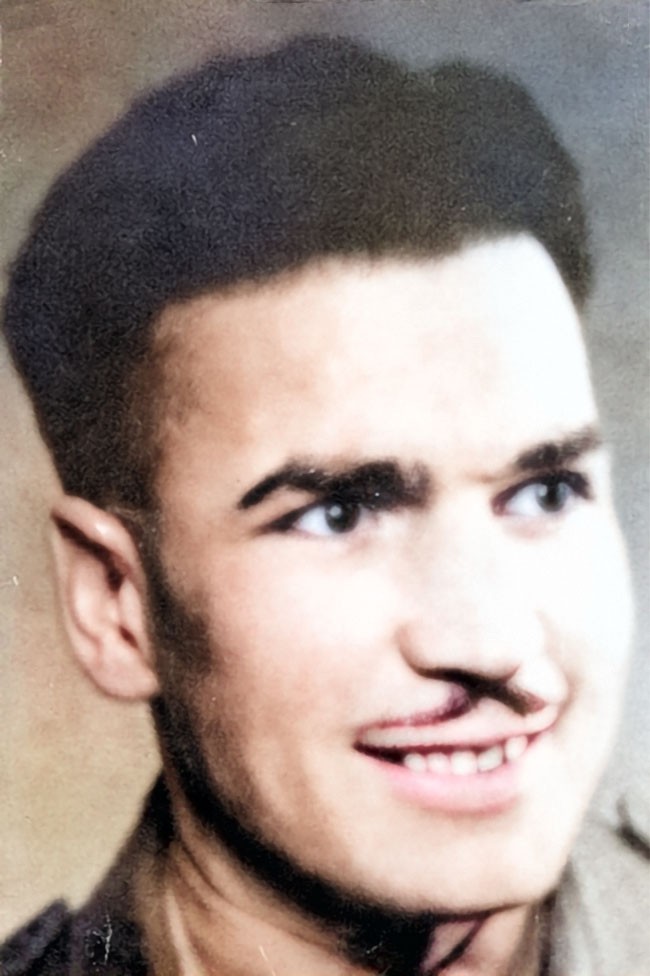
• Connie Green
Connie Green fell just over a year before Seán Sabhat and Feargal Ó hAnnluain, the volunteers who died in Edintubber less than a year later, these were the men whose willingness and vision acted as a bridge in revolutionary struggle to our own generation and we salute them here today.
What would they make of where we have come to in the 69 years since their deaths? Who knows for certain what anyone could or could not think, all we can do is look at the context of their own struggles and motivations.
Seán’s position on religion and faith, for example, is often questioned and sometimes ridiculed using a modern yardstick and yes, some of the views he - and other republicans from decades ago that we hold in high esteem - would not sit with our modern inclusive vision for Ireland.
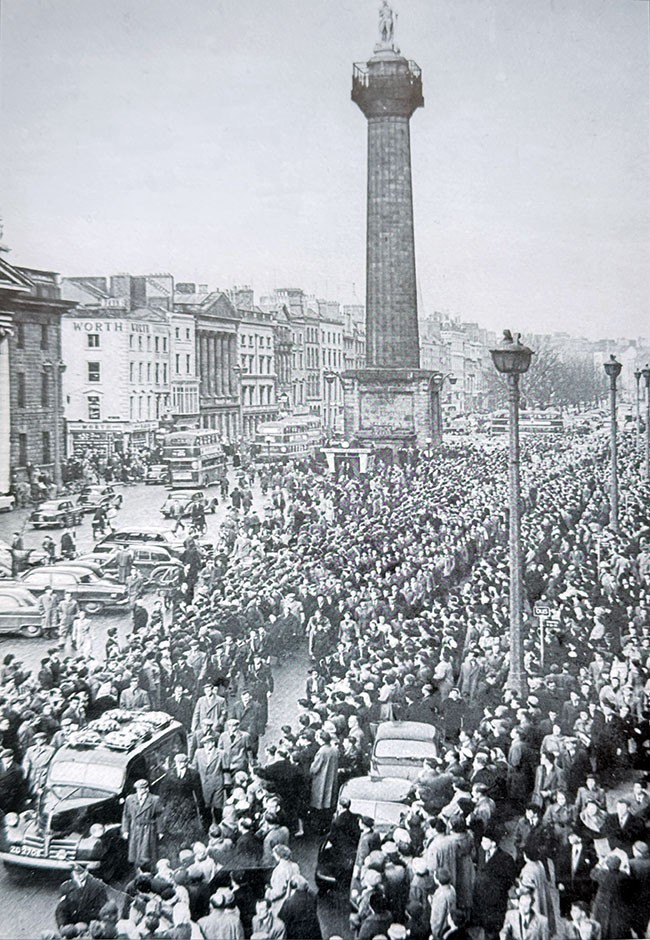
• The funeral cortege of Seán Sabhat, O’Connell Street, Dublin
But Seán was a product of his times and by his very membership of the revolutionary organisation that was the IRA, an organisation whose members were excommunicated from the catholic church, an organisation who members were condemned by bishops and priests, media and the political parties who had corrupted the freedom struggle of the 1916-21 period, and an organisation being condemned for its left wing politics,.
I can only assume that by taking this decision Seán was in the process of shedding earlier thoughts and philosophies. A life cut short denies us the chance to see where Seán’s development and leadership abilities would have taken him, involved as he was in the cauldron of revolutionary activism. Seán Sabhat was, when all is said and done, a revolutionary and that is what we remember today.
And so, today as Irish republicans we gather to remember Seán, Feargal and all our republican dead, knowing that revolution does not stand still, knowing that we are still building, still advancing the struggle which he and his comrades carried forward in their day and which we must carry forward in ours. We salute their courage, without them we would not be, indeed we could not be where we are today.
Feargal O’Hanlon remembered
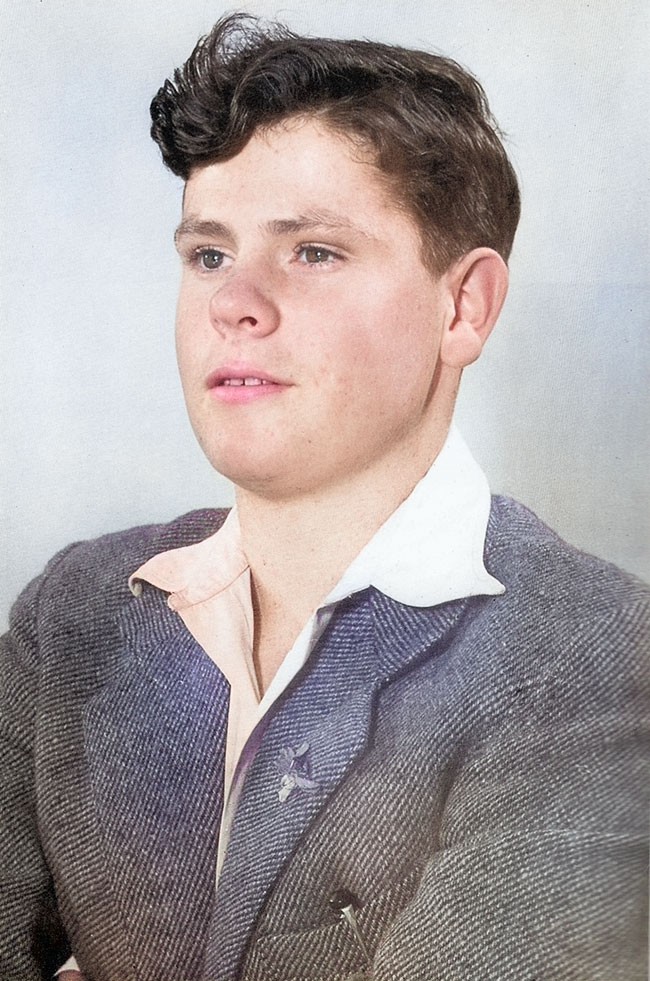
• Feargal Ó hAnnluain
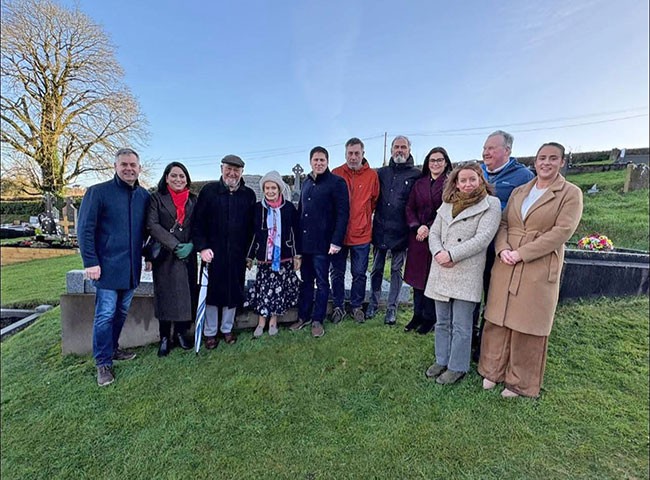
• County Monaghan republicans, including relatives of Volunteer Feargal O’Hanlon, gathered at his graveside on New Year’s Day to honour his memory, 69 years after he died with his comrade Seán Sabhat.
Follow us on Facebook
An Phoblacht on Twitter
An Phoblacht Podcast

Uncomfortable Conversations
An initiative for dialogue
for reconciliation
— — — — — — —
Contributions from key figures in the churches, academia and wider civic society as well as senior republican figures