



28 August 2025
Government's approach to migration: an inexcusable disaster
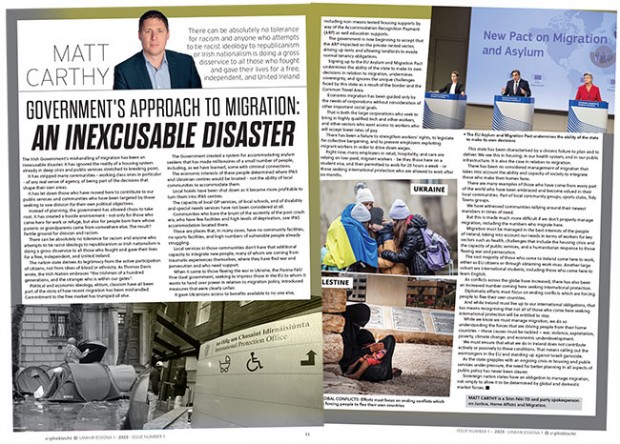

The Irish Government’s mishandling of migration has been an inexcusable disaster. It has ignored the reality of a housing system already in deep crisis and public services stretched to breaking point.
It has stripped many communities - working class ones in particular - of any real sense of agency, of being part of the decisions that shape their own areas.
It has let down those who have moved here to contribute to our public services and communities who have been targeted by those seeking to sow division for their own political objectives.
Instead of planning, the government has allowed chaos to take root. It has created a hostile environment - not only for those who came here for work or refuge, but also for people born here whose parents or grandparents came from somewhere else. The result? Fertile ground for division and racism.
There can be absolutely no tolerance for racism and anyone who attempts to tie racist ideology to republicanism or Irish nationalism is doing a gross disservice to all those who fought and gave their lives for a free, independent, and United Ireland.
The nation state derives its legitimacy from the active participation of citizens, not from ideas of blood or ethnicity. As Thomas Davis wrote, the Irish Nation embraces “the Irishman of a hundred generations, and the stranger who is within our gates”.
Political and economic ideology, elitism, classism have all been part of the story of how recent migration has been mishandled. Commitment to the free market has trumped all else.
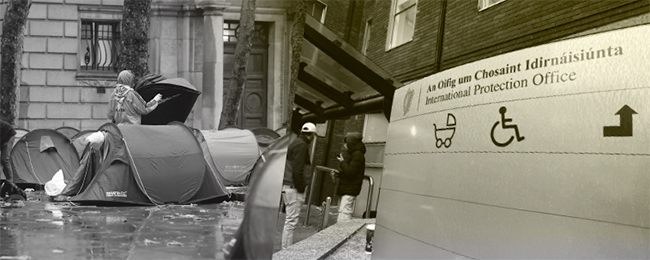
• Instead of planning, the government has allowed chaos to take root
The Government created a system for accommodating asylum seekers that has made millionaires of a small number of people, including, as we have learned, some with criminal connections.
The economic interests of these people determined where IPAS and Ukrainian centres would be located - not the ability of local communities to accommodate them.
Local hotels have been shut down as it became more profitable to turn them into IPAS centres.
The capacity of local GP services, of local schools, and of disability and special needs services have not been considered at all.
Communities who bore the brunt of the austerity of the post-crash era, who have few facilities and high levels of deprivation, saw IPAS accommodation located there.
These are places that, in many cases, have no community facilities, no sports facilities, and high numbers of vulnerable people already struggling.
Local services in those communities don’t have that additional capacity to integrate new people, many of whom are coming from traumatic experiences themselves, where they have fled war and persecution and who need support.
When it came to those fleeing the war in Ukraine, the Fianna Fáil/Fine Gael government, seeking to impress those in the EU to whom it wants to hand over power in relation to migration policy, introduced measures that were clearly unfair.
It gave Ukrainians access to benefits available to no one else, including non-means tested housing supports by way of the Accommodation Recognition Payment (ARP) as well education supports.
The government is now beginning to accept that the ARP impacted on the private rented sector, driving up rents and allowing landlords to evade normal tenancy obligations.
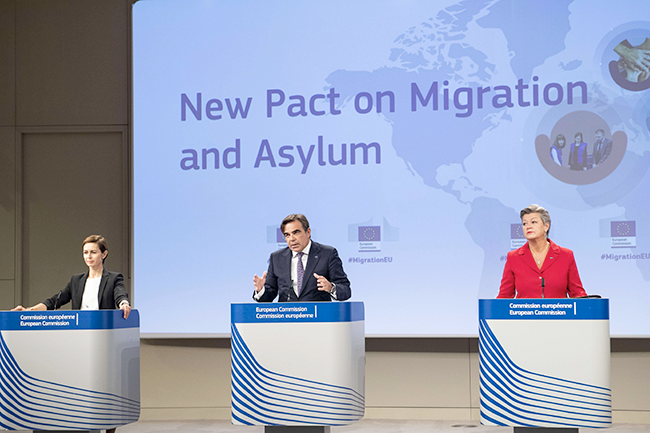
• The EU Asylum and Migration Pact undermines the ability of the state to make its own decisions
Signing up to the EU Asylum and Migration Pact undermines the ability of the state to make its own decisions in relation to migration, undermines sovereignty, and ignores the unique challenges faced by this state as a result of the border and the Common Travel Area.
Economic migration has been guided only by the needs of corporations without consideration of other important social goals.
That is both the large corporations who seek to bring in highly qualified tech and other workers, and other sectors who want access to workers who will accept lower rates of pay.
There has been a failure to strengthen workers’ rights, to legislate for collective bargaining, and to prevent employers exploiting migrant workers in order to drive down wages.
Right now, many employers in retail, hospitality, and care are relying on low-paid, migrant workers - be they those here on a student visa, and then permitted to work for 20 hours a week - or those seeking international protection who are allowed to work after six months.
This state has been characterised by a chronic failure to plan and to deliver. We see this in housing, in our health system, and in our public infrastructure. It is also the case in relation to migration.
There has been no considered management of migration that takes into account the ability and capacity of society to integrate those who make their homes here.
There are many examples of those who have come from every part of the world who have been embraced and become valued in their local communities. Part of local community groups, sports clubs, Tidy Towns groups.
We have witnessed communities rallying around their newest members in times of need.
But this is made much more difficult if we don’t properly manage migration, including the numbers who migrate here.
Migration must be managed in the best interests of the people of Ireland, taking into account our needs in terms of workers for key sectors such as health, challenges that include the housing crisis and the capacity of public services, and a humanitarian response to those fleeing war and persecution.
The vast majority of those who come to Ireland come here to work, either as EU citizens or through obtaining work visas. Another large cohort are international students, including those who come here to learn English.
As conflicts across the globe have increased, there has also been an increased number coming here seeking international protection.
Diplomatic efforts must focus on ending conflicts which are forcing people to flee their own countries.
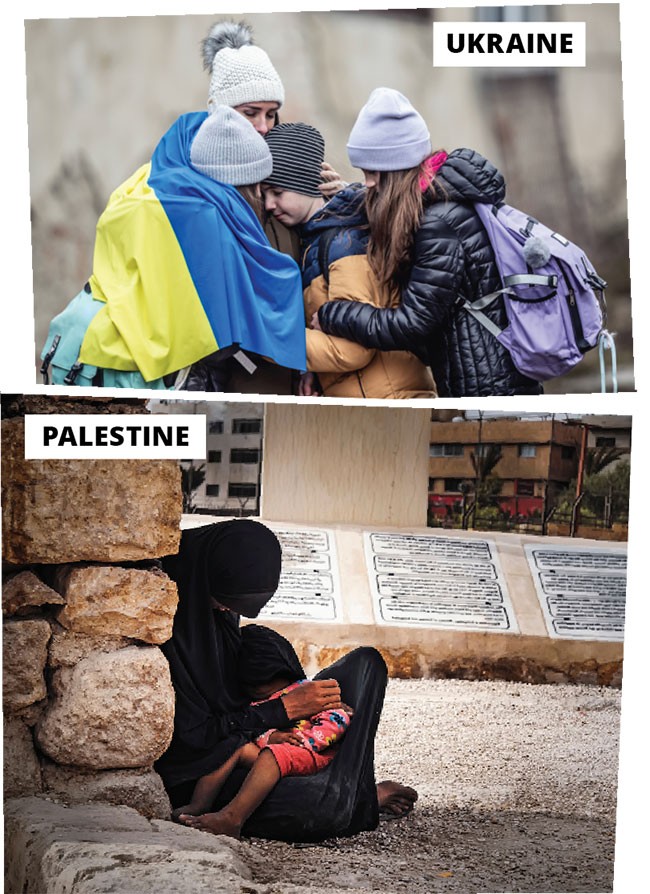
• GLOBAL CONFLICTS: Efforts must focus on ending conflicts which are forcing people to flee their own countries
And while Ireland must live up to our international obligations, that too means recognising that not all of those who come here seeking international protection will be entitled to stay.
While we know we must manage migration, we do so understanding the forces that are driving people from their home countries – these causes must be tackled – war, violence, exploitation, poverty, climate change, and economic underdevelopment.
We must ensure that what we do in Ireland does not contribute actively or passively to these conditions. That means calling out the warmongers in the EU and standing up against Israeli genocide.
As the state grapples with an ongoing crisis in housing and public services under pressure, the need for better planning in all aspects of public policy has never been clearer.
Sovereign nation states have an obligation to manage migration, not simply to allow it to be determined by global and domestic market forces.
• Matt Carthy is a Sinn Féin TD and party spokesperson on Justice, Home Affairs and Migration.
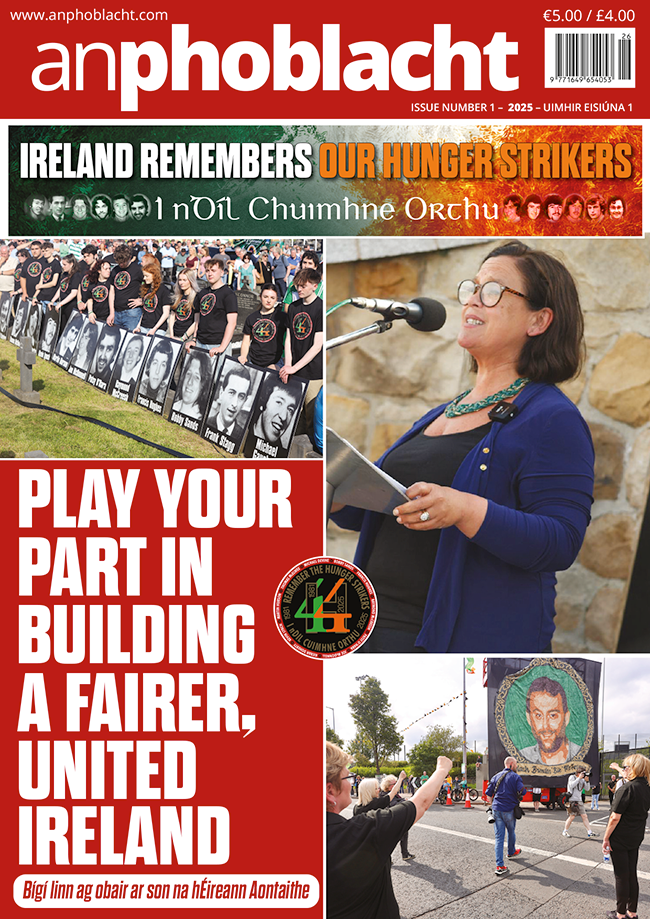
See more from An Phoblacht, Issue 1 - 2025
Follow us on Facebook
An Phoblacht on Twitter
An Phoblacht Podcast

Uncomfortable Conversations

An initiative for dialogue
for reconciliation
— — — — — — —
Contributions from key figures in the churches, academia and wider civic society as well as senior republican figures