

9 June 2025
An Phoblacht first published - June 1925
Remembering the Past
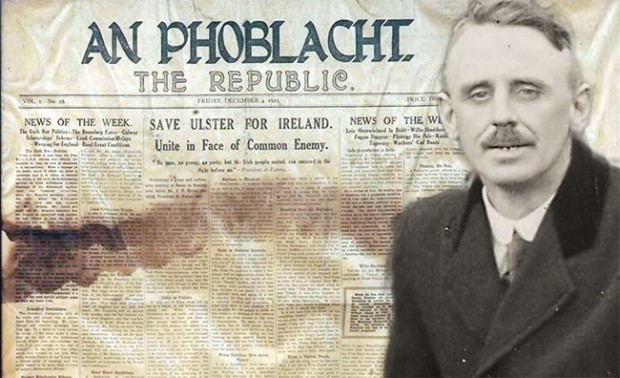

One hundred years ago in June 1925 the first paper to bear the title An Phoblacht was published. It was to last for 12 turbulent years and to leave a legacy of lively campaigning republican journalism.
While a paper called The Republic was begun by republicans in 1906 it lasted only a few months. After the Dáil vote on the Treaty, the anti-Treaty Republicans published Poblacht na hÉireann – the Republic of Ireland edited by Erskine Childers. This too was short-lived as it was suppressed by the Free State during the Civil War. The republican paper Éire was printed in Glasgow and sold in Ireland during and immediately after the Civil War, featuring many accounts, elsewhere censored or ignored, of those executed by the Free State.
By 1925, two years after the end of the Civil War, the IRA was beginning to reorganise and it viewed a weekly paper as essential. So, on 20 June 1925 the first issue of An Phoblacht appeared. On its front page was picture of Wolfe Tone. It declared “An Phoblacht stands for the principles of plain Irish nationality” and described its mission:
“Against the world-wide propaganda of British imperialism we are bound to fight.”
At this time republicans were still recovering from military defeat in the Civil War. Thousands were not long released from internment, employment was scarce and with republicans barred from many jobs large numbers were emigrating. But politically they were determined to regroup and rebuild. In the 3 July issue an editorial stated: “Sinn Féin must free itself from all traces of an on the run outlook.” And returning to its mission it said the paper would “teach the people that the British Empire cannot be anything for Ireland but a prison house”.
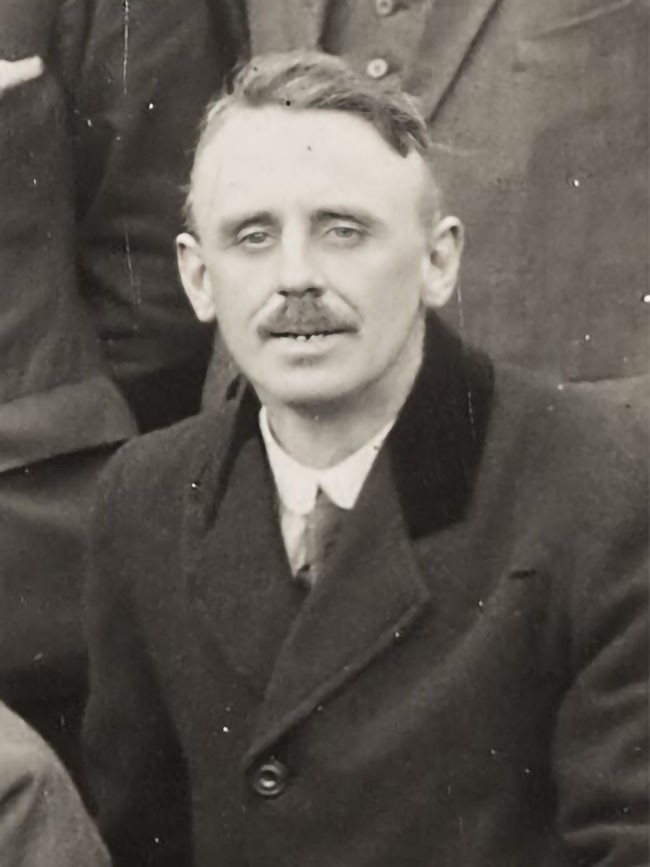
• An Phoblacht editor in 1925 was Patrick Little
In the same issue it was stated that the leaders of the Free State wanted to create “a false atmosphere of danger and crisis and thereby win themselves a perpetual lease of power”. This proved correct in the following years as the Cosgrave government increasingly used repressive legislation and censorship.
The issue of 17 July said the purported prosperity boasted of by Free State leaders was known to the people as “emigration, hunger and poverty”. It said also there could be no peace while the British Army and the B-Specials were in the Six Counties.
The paper expressed opposition to the dissolution of Dublin Corporation by the Free State government and it called for the municipalisation of light, power and transport, all in private hands at that time. It also supported locked out workers in the coal freighting industry.
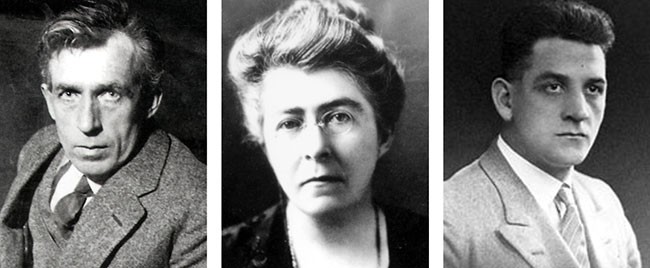
• Peadar O’Donnell, Hannah Sheehy Skeffington and Frank Ryan
The editor in 1925 was Patrick Little, later a Fianna Fáil minister. He was succeeded by Peadar O’Donnell in 1926, the year Éamon de Valera split from Sinn Féin and formed Fianna Fáil. Under O’Donnell the paper became increasingly progressive, and other writers included Hannah Sheehy Skeffington and Frank Ryan. In the following years An Phoblacht played a campaigning role on the Land Annuities, against repression North and South, helping to defeat the Cumann na nGaedhal government in the 1932 general election and in the fight against the Blueshirts.
Following the suppression of the IRA by de Valera in 1936 An Phoblacht was banned. It re-appeared briefly in 1937 during the debate on the proposed new constitution.
See about An Phoblacht
Follow us on Facebook
An Phoblacht on Twitter
An Phoblacht Podcast

Uncomfortable Conversations
An initiative for dialogue
for reconciliation
— — — — — — —
Contributions from key figures in the churches, academia and wider civic society as well as senior republican figures