


2 June 2016
Sinn Féin solidarity to Polisario and people of Western Sahara on death of President
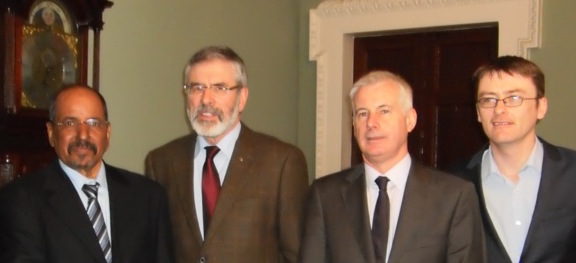
● President of the Saharawi Republic, Mohamed Abdelaziz, meets Sinn Féin's Gerry Adams, Seán Crowe and David Cullinane at the Dáil in October 2012

SINN FÉIN’S Dáil (Irish Parliament) spokesperson on Foreign Affairs, Seán Crowe TD, has extended his personal condolences to the family, friends and comrades of Mohamed Abdelaziz, and Secretary General of the Polisario Front, who died on Tuesday after a long illness.
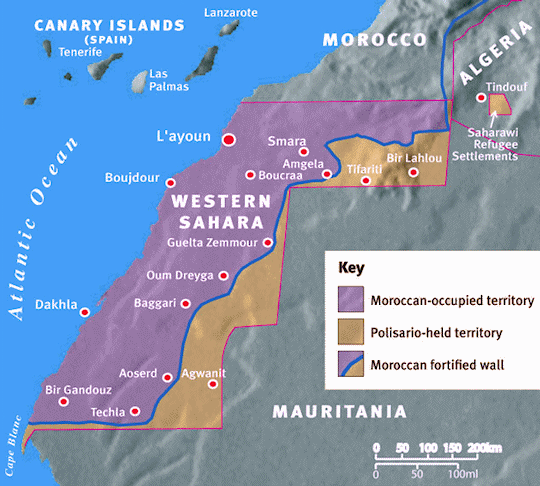
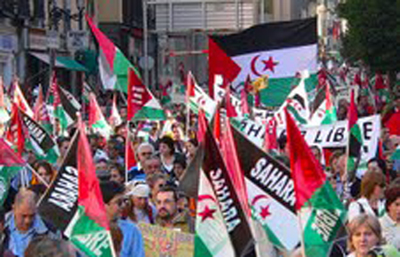
Morocco claims that Western Sahara is an integral part of its territory despite more than 80 states recognising it as an independent nation. While Ireland does not officially recognise the country, it does support the right of the people of Western Sahara to self-determination and a referendum on the future of the region.
Sinn Féin has been a long-time supporter of the struggle of the Polisario Front for Sahrawi independence.
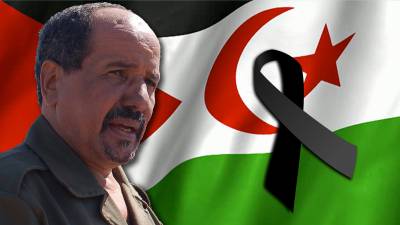
Polisario Front official Mohammed Keddad described Mohamed Abdelaziz’s death as “a great loss for the Sahrawi people”, adding:
“He sacrificed his life for the liberation of Western Sahara. He embodied the wisdom and a sincere and firm commitment to its liberation.”
Sinn Féin’s Deputy Seán Crowe said:
“I would like to extend my personal condolences to the family, friends and comrades of Mohamed Abdelaziz.
“Mohamed spent his life struggling for the independence of Western Sahara and for the freedom of the Sahrawi people.
“I had the pleasure of meeting Mohamed in Leinster House [the Irish Parliament] when he visited Ireland in October 2012.
“In that brief meeting we exchanged views and spoke of ways to support the struggle of Western Sahara for independence and self-determination.
“At this moment of deep sadness and loss I want to extend the solidarity of Sinn Féin to the Sahrawi people in their continued struggle for self-determination and freedom.”
Follow us on Facebook
An Phoblacht on Twitter
An Phoblacht Podcast

Uncomfortable Conversations
An initiative for dialogue
for reconciliation
— — — — — — —
Contributions from key figures in the churches, academia and wider civic society as well as senior republican figures