



12 June 2013
British Government always knew rubber bullets were lethal against civilians

‘I was a 10-year-old boy blinded by a rubber bullet and to know that people at Government level tried to cover things up and withhold information is a shock’
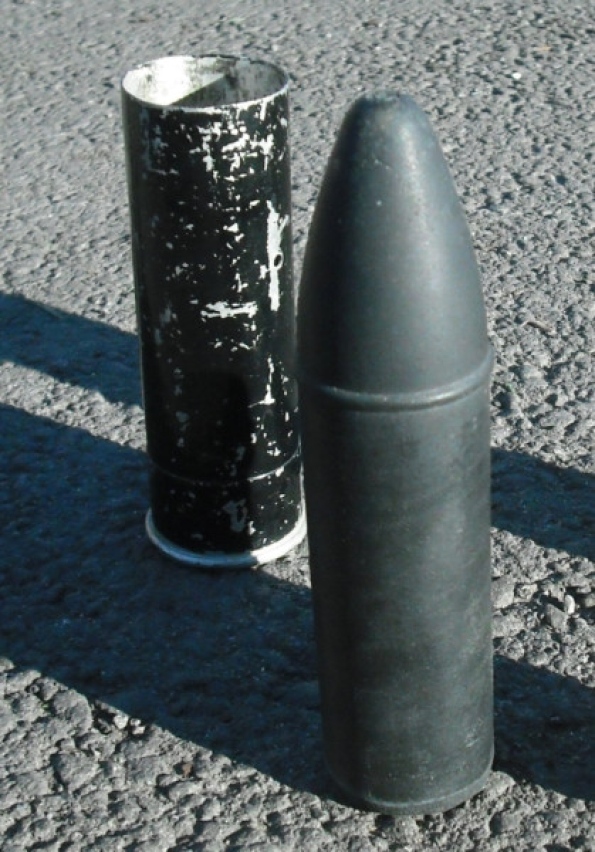
LETHAL RUBBER BULLETS were given the go-ahead by the British Government to use against civilians in Ireland in the 1970s even though it knew how dangerous to life the weapon was, Ministry of Defence files newly uncovered reveal.
And the documents expose the British Government’s hasty out-of-court settlement of £68,000 to Derryman Richard Moore – blinded by a rubber bullet fired by a British soldier in May 1972 when he was just ten years old and running home from school – was to prevent damning evidence from its own Porton Down Defence Laboratories being made public in a court of law.
In one document, a British Government official asks:
“Would disclosure of these documents and examination of an MoD [Ministry of Defence] witness in court be so damaging to MoD interests that in your view the case should be settled at almost any cost?”
Richard Moore, the founder of the Children in Crossfire charity, says he is “surprised and saddened” by the documents.
“I was a 10-year-old boy blinded by a rubber bullet and to know that people at Government level tried to cover things up and withhold information is a shock.
“The state has a responsibility to look after its citizens and its children. They have to be responsible and, clearly, the state wasn’t taking responsibility here.”
The British Ministry of Defence always categorised rubber bullets as non-lethal despite the fact that three people were killed by the projectiles during 1972 and 1973. The youngest, Francis Rowntree, was aged 11; the others were 17-year-old Tobias Molloy from Strabane, County Tyrone, and 21-year-old Thomas Friel, from Derry City.
The rubber bullet was replaced in 1974 by the plastic bullet and a further 14 people were killed by British soldiers and RUC members using this new weapon.