



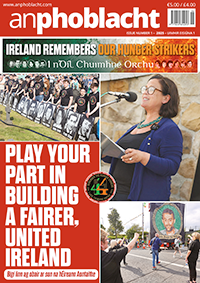
30 May 2024 Edition
Lá mór Gníomhaíochta Ógra Shinn Féin
30 May 2024
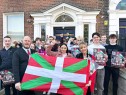
Tháinig poblachtánaigh óga le chéile Dé Sathairn an 20ú Bealtaine i mBaile Átha Cliath - poblachtánaigh óga ó gach cearn den tír, tiomanta do shaoirse na hÉireann, agus d’fhíorú na Poblachta lenár linn. D’eagraigh ceannaireacht nua Ógra Shinn Féin an Lá Náisiúnta Stráitéise chun fuinneamh a chur insan eagraíocht agus sinn ag atógáil an eagrais ar fud na hÉireann. Free article
Two tragedies – two tortuous paths to truth
30 May 2024
The 1974 Dublin Monaghan bombings and the 1981 Stardust tragedy were both seismic events in the last half century. In both cases the political establishment behaved shamefully and frustrated the search for truth by the survivors and the bereaved of these tragedies. Free article
British government's shameful Legacy Act will be challenged
30 May 2024

When the British government first announced its intention to legislate on how we deal with our past, it was abundantly clear that the intention was cover-up and letting British state forces and their proxies off the hook for crimes committed here. Free article
Gael is ea Gael; is cuma dubh, bán ná riabhach
30 May 2024

Is sochaí ionchuimsitheach agus ilchineálach atá ó Phoblachtánaithe ina gcaitear le meas le gach duine atá mar bhall den tsochaí sin. Is cuma linn mar Phoblachtánaithe cén cúlra lena mbaineann tú nó cárbh as do mhuintir. Free article
Droichid na hÉireann ar son na Palaistíne
30 May 2024

Éinne a thaistealaíonn ar sheachbhóthair Chathair Chorcaí tráthnóna Dé hAoine le leathbhliain anuas ní féidir leo a mhaíomh go bhfuil siad aineolach ar chinedhíothú Iosrael ar ár gcairde Palaistíneacha. Ó dheireadh seachtaine na Samhna anuas bíonn Agóidí Droichid ar siúl ag dhá cheann an tseachbhóthair chéanna le haird a tharraingt ar shlad na Síónach ar phobal dúchasach na Palaistíne. Free article
Page 1 of 2
Francie Molloy – A life in political struggle
30 May 2024
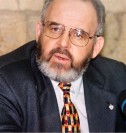
Francie Molloy joined the Republican Clubs in 1967 aged 16, beginning a nearly 60 year odyssey in republican struggle. He has been a street activist, community defender, an election director for Bobby Sands in Tyrone, and a builder of the Sinn Féin team and organisation in Mid-Ulster. Francie was elected a councillor in 1990, an MLA in 1998, and an MP for Mid-Ulster in 2013. After the announcement that Francie would not contest the next Westminster election, we asked Jim Gibney to interview the republican veteran. Below, we have Jim’s take on a life lived in struggle. Free article
Basque self-determination is within reach
30 May 2024

Popular momentum for political change in the Basque Country reflected in record performance for EH Bildu Free article
What would James Connolly think of Ireland today?
30 May 2024
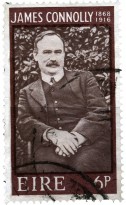
Retrieving James Connolly from the ‘mouldering records of the past’

“I continued to listen to their talk and there was mention continually of somebody named Connolly. Connolly says so and so. Connolly does not agree with that. Connolly’s point of view is this, and so on. Then when I had an opportunity, I asked who was this Connolly. ‘He is a very smart fellow,’ I was told”.
From:... Free article
Michael Gaughan's hunger for justice
30 May 2024
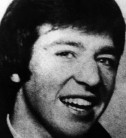
In historical terms the death of Michael Gaughan marks a halfway point between our time and the end of the Civil War, the consolidation of Partition and of the two partitioned states. Like so many of his generation, Michael Gaughan was to live through the tragic legacy of Partition as it manifested itself in the outbreak of armed conflict in the North in 1969 and he was one of the many young people who once again stepped forward into the ranks of the Irish Republican Army. Free article
Transforming Belfast City Hall
30 May 2024
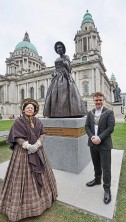
Former Sinn Féin councillor Tom Hartley explains the long campaign to transform Belfast City Hall into an institution that reflects all strands of Belfast’s political history. Free article